
Back to blog
Bookkeeping
E-commerce Accounting in Serbia: Payment Processors, Inventory and VAT Under Control
Admin5 min
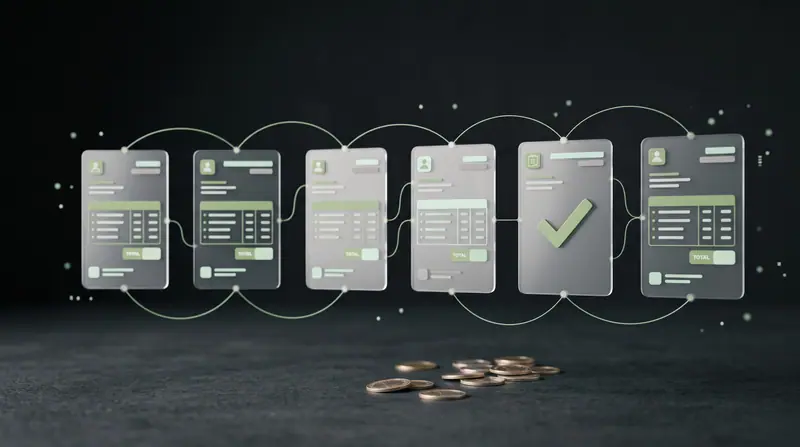
Online selling looks simple from the outside: order, payment, delivery. In the books it is a chain connecting payment processors, couriers, inventory, returns and VAT, and that chain has to reconcile to the dinar. Here is what is specific about e-commerce accounting and how we run it.
What makes e-commerce specific
- Multiple payment channels. Cards, cash on delivery, payment processors and marketplace payouts: each channel has its own rhythm, fees and reports that must reconcile with sales.
- Returns and complaints. Returned goods and credit notes must flow cleanly through both inventory and financial records.
- Inventory and purchasing. Imports, customs, landed costs and accurate inventory value directly determine your real margin.
- VAT questions. Domestic and cross-border sales, the mandatory registration threshold and correct rates: the threshold is tracked monthly, not discovered at year-end.
What we cover for e-commerce
- complete bookkeeping with reconciliation of payment processor, courier and bank reports;
- inventory accounting: stock, costing, write-offs and counts;
- VAT threshold and obligation tracking, with tax consulting for expansion to foreign markets;
- payroll and engagements for a growing team.
Numbers you can actually read
E-commerce lives on margin, and margin is not visible from a bank statement: it shows in properly matched revenue, fees, delivery costs and inventory value. Our monthly report gives you exactly that: what you earn per channel and where the difference melts. Documents are exchanged digitally, no paper.
Selling online? Let us talk
Book a 20-minute conversation or send us a message: we will go through your sales channels and propose a setup that survives both the season and scaling.